
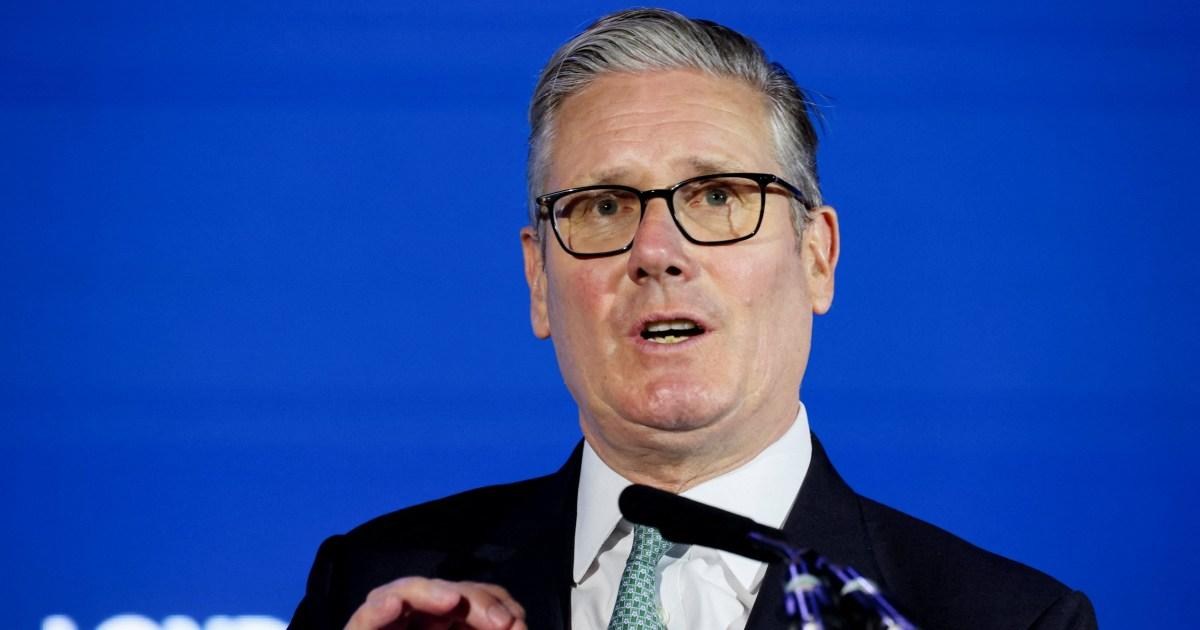
It’s hard to think of any point in the past two years when you would have envied Sir Keir Starmer.
Everything has been pretty full-on for his entire spell as Prime Minister, with no shortage of ‘worst weeks of his premiership’.
But even by those standards, things have been dire lately. In previous government catastrophes, Starmer has at least played a role – now, he seems to almost be a side character in his own downfall.
If Andy Burnham wins in Makerfield tomorrow, we’re likely to see top members of the Cabinet agitating to shuffle him into No 10 at the earliest opportunity, arguing it’s better for the country if the transplant is carried out with little fuss.
‘I’m not going to walk away, I am going to fight,’ he told Beth Rigby of Sky News earlier today.
And it’s not hard to see why. He believes winning the 2024 election gave him a five-year mandate, allowing him a bit of leeway to mess up and make wrong decisions before getting the country back on track ahead of the next election in 2029.
Why should he get so little time to prove himself when the country was in such a state upon his arrival in Downing Street?
Look at other Prime Ministers – Theresa May quit because she couldn’t achieve the one thing she set out to do. Boris Johnson quit because scandal was piling on top of scandal. Liz Truss quit because the economy couldn’t handle her.
Where’s the precedent for a national leader being forced to step down just because they’re too chronically unpopular with the public?
Of course, it’s more than that. It’s a sense that there’s a lack of political vision from Starmer, that he’s a man comfortable with minor tweaks to the status quo when the country is desperate for all-caps CHANGE.
When John Healey resigned as Defence Secretary with the explosive accusation that the PM’s indecision was risking making the country less safe, it became near-impossible to imagine him staying in power.
But still, Starmer is insistent that chucking him now would throw the country into chaos at a volatile moment in geopolitics.