To view this video please enable JavaScript, and consider upgrading to a web browser that supports HTML5 video
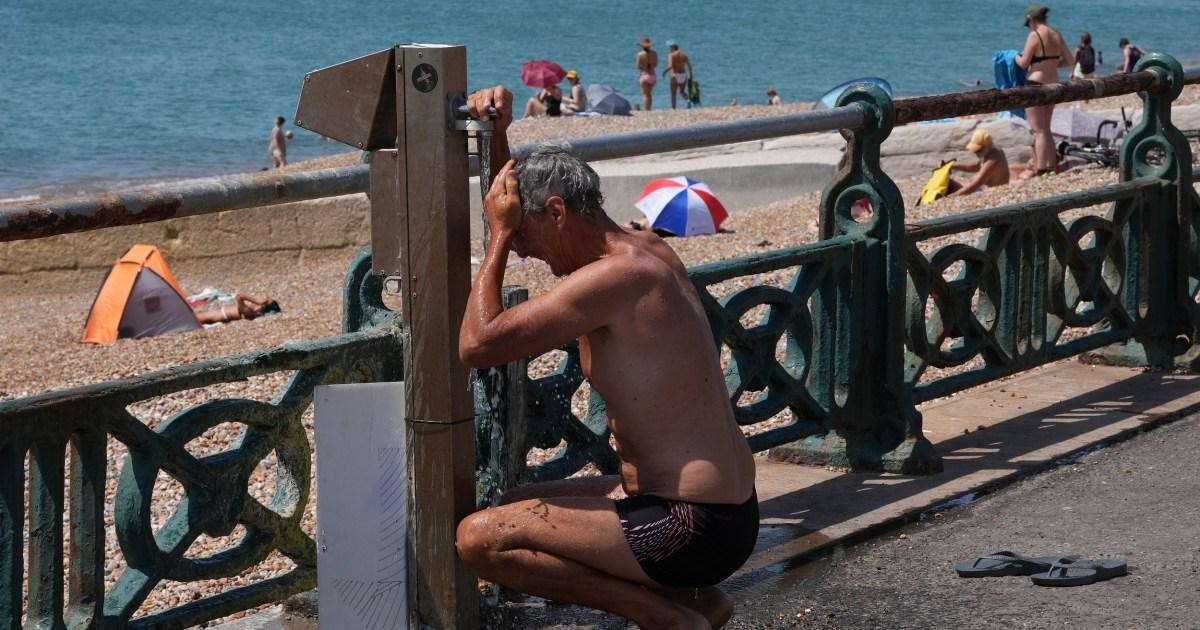
The blistering June heatwave that forced the UK to its knees has hardly passed when another one may be lurking around the corner.
Temperature records were smashed on three consecutive days last week, while people endured travel disruption on the railways and at Heathrow and Gatwick as the sweltering spell gripped western Europe.
The 37C conditions bit especially deep in cities like London and Paris, amplified by concrete, narrow streets and badly insulated homes turning into heat traps.
Over 1,300 excess deaths were linked to the latest hot spell on the continent, and at least seven people drowned in the UK’s open waters.
Temperatures in the UK topped those in Death Valley last week, one of the hottest places on Earth.
And extreme weather is set to be the new normal, driven by climate change that could see average global temperatures rise more rapidly than predicted.
It all comes down to adapting and mitigating, while not taking our eyes off the main culprit, climate change and fossil fuel dependency, Jim Dale, the founder of the British Weather Services, said.
He told Metro: ‘Heatwaves have happened since time immemorial, but they are exacerbated by climate change – 35C becomes 37C, and 37C becomes 40C, that’s what we have had with these plumes.’
To adapt and mitigate, the focus needs to be on big cities where the heat is felt the strongest, and educating all sections of society because this is ‘the end of the world as we know it’ as temperatures continue to surge, he said.
Painting houses white to reflect heat, ultra-low emission zones to target pollution from fossil fuels like in London, and increasing green canopy coverage for natural protection will go some way to help, Mr Dale said.
But air conditioning and using AI for new renewable solutions can be ‘a catch-22’ as they can release more emissions back into the air if powered by fossil fuels.