
Enrollment in Obamacare’s exchange is falling, according to a new analysis from the Commonwealth Fund.
The study suggests that the expiration of the enhanced premium subsidies enacted during the pandemic has made coverage unaffordable for many Americans. Some consumers undoubtedly have decided that exchange plans are no longer worth the cost.
Recommended Stories


But that explanation overlooks a different possibility. A substantial share of Obamacare’s recent enrollment growth may never have reflected legitimate coverage in the first place.
According to a report from the Paragon Health Institute, roughly 12 million marketplace enrollees generated no insurance claims in 2024. It strains credulity to believe that all of those individuals simply remained healthy throughout the year. A more plausible explanation is that many were enrolled without their knowledge by brokers seeking commissions tied to sign-ups.
Federal regulators have acknowledged that this is a real problem. In 2024, the Centers for Medicare and Medicaid Services received hundreds of thousands of complaints involving unauthorized enrollments and plan switches. CMS subsequently suspended hundreds of brokers pending investigations into alleged misconduct.
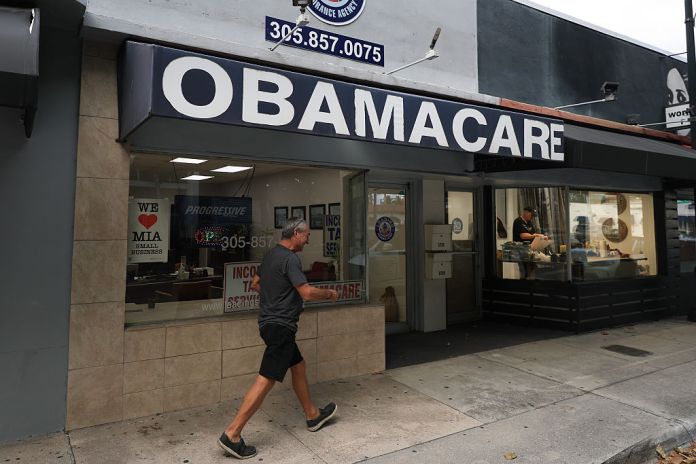
The enrollment decline may also reflect a reduction in improper sign-ups. A separate Paragon analysis estimates that more than 6 million exchange enrollees this year may not actually qualify for the subsidies they receive or may otherwise be improperly enrolled.
Those findings are consistent with broader evidence that Obamacare’s enrollment figures are disconnected from reality. In several states, the number of exchange enrollees reporting incomes that qualify them for the most generous subsidies appears implausibly large relative to the number of residents who actually fall within those income ranges.
That matters because enrollment totals are often treated as the most important measure of Obamacare’s success. But inflated enrollment is not a sign of success. It is evidence of weak oversight, improper subsidy payments, and a system vulnerable to abuse.
The Commonwealth Fund is right that some Americans are leaving the exchanges because coverage has become less affordable. But policymakers should not automatically assume that every enrollment decline represents a newly uninsured family.
MEDICAID’S FRAUD PROBLEM HAS BECOME IMPOSSIBLE TO IGNORE
In many cases, falling enrollment may reflect something far less alarming — the unwinding of phantom coverage, improper enrollment, and subsidy abuse that artificially boosted exchange enrollment in the first place.
Before lamenting lower enrollment, policymakers should make sure the people disappearing from the rolls actually belonged there.
Sally C. Pipes is president, CEO, and Thomas W. Smith Fellow in Health Care Policy at the Pacific Research Institute. Her latest book is The World’s Medicine Chest: How America Achieved Pharmaceutical Supremacy—and How to Keep It (Encounter 2025). Follow her on X @sallypipes.